
Tokyo — Issue 01
Three places that made us slow down.


The light hits you first. Thousands of neon signs and somehow none of it aggressive, just Tokyo doing its thing, completely indifferent to your arrival. The city is organized chaos, hyper-fashionable without trying, and it will take you about two days to stop feeling like a tourist and start feeling like you belong. Pay attention to how people walk. Keep your voice low on the metro. And if you book a blue room at Toggle Hotel, pack accordingly; by day three you will be a smurf.
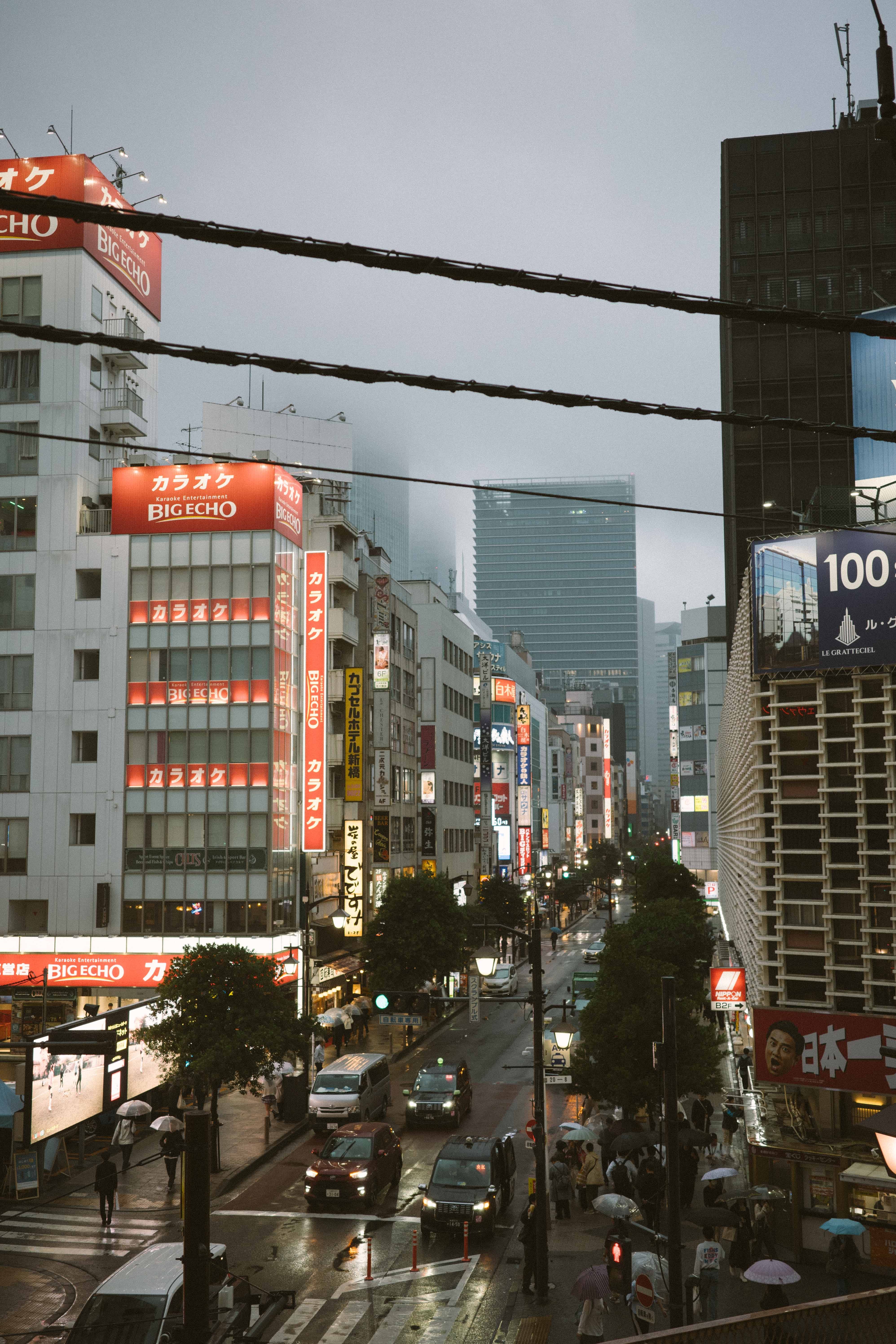
Tokyo rewards patience. The best things in this issue didn’t announce themselves. A counter with a chef who has been doing the same thing for fifty years. A six-seat restaurant found on a tired Thursday noon. A café in a neighbourhood most visitors walk straight past. None of them were hard to find. They just required slowing down enough to look.
Three places to start.
Sushi Kidoguchi
Omakase counter · Go for lunch
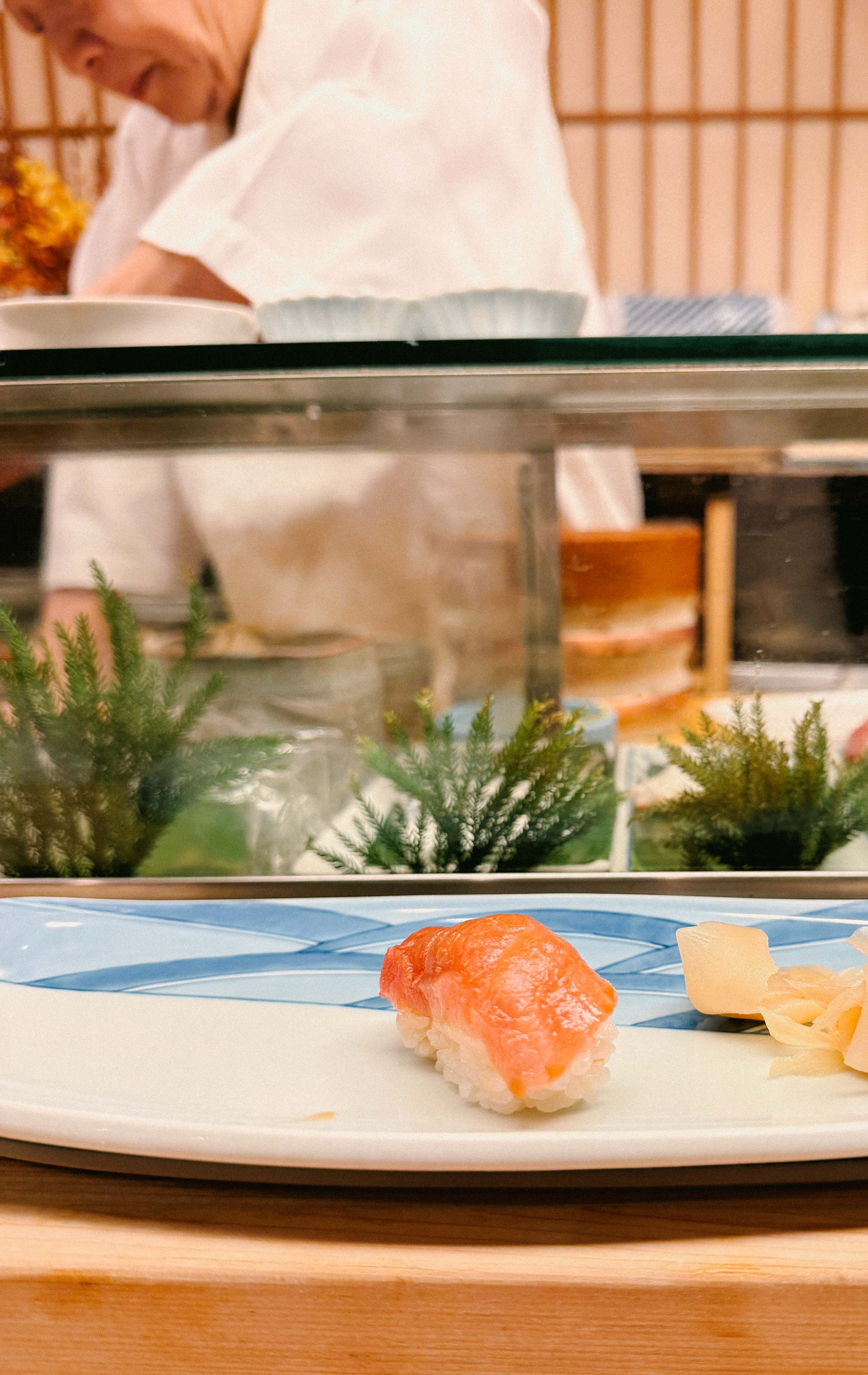
Sushi Kidoguchi is the kind of place that makes you put your phone down. Not because anyone asks you to, but because you forget it exists. We sat at the counter in front of the kitchen, watching a chef in his seventies prepare each piece with the calm of someone who has done this for fifty years and still finds it worth doing well. His assistant, who spent his childhood in Edmonton - Canada and speaks English very well, guided us through everything with genuine warmth. He lit up knowing we were Canadian. The first piece was tuna. It melted in our mouths. Then we understood what fresh fish actually means.
Go for lunch. The value makes no sense for what you get.
WOHOS MART (オホズマート)
Curry · Setagaya · 6 seats
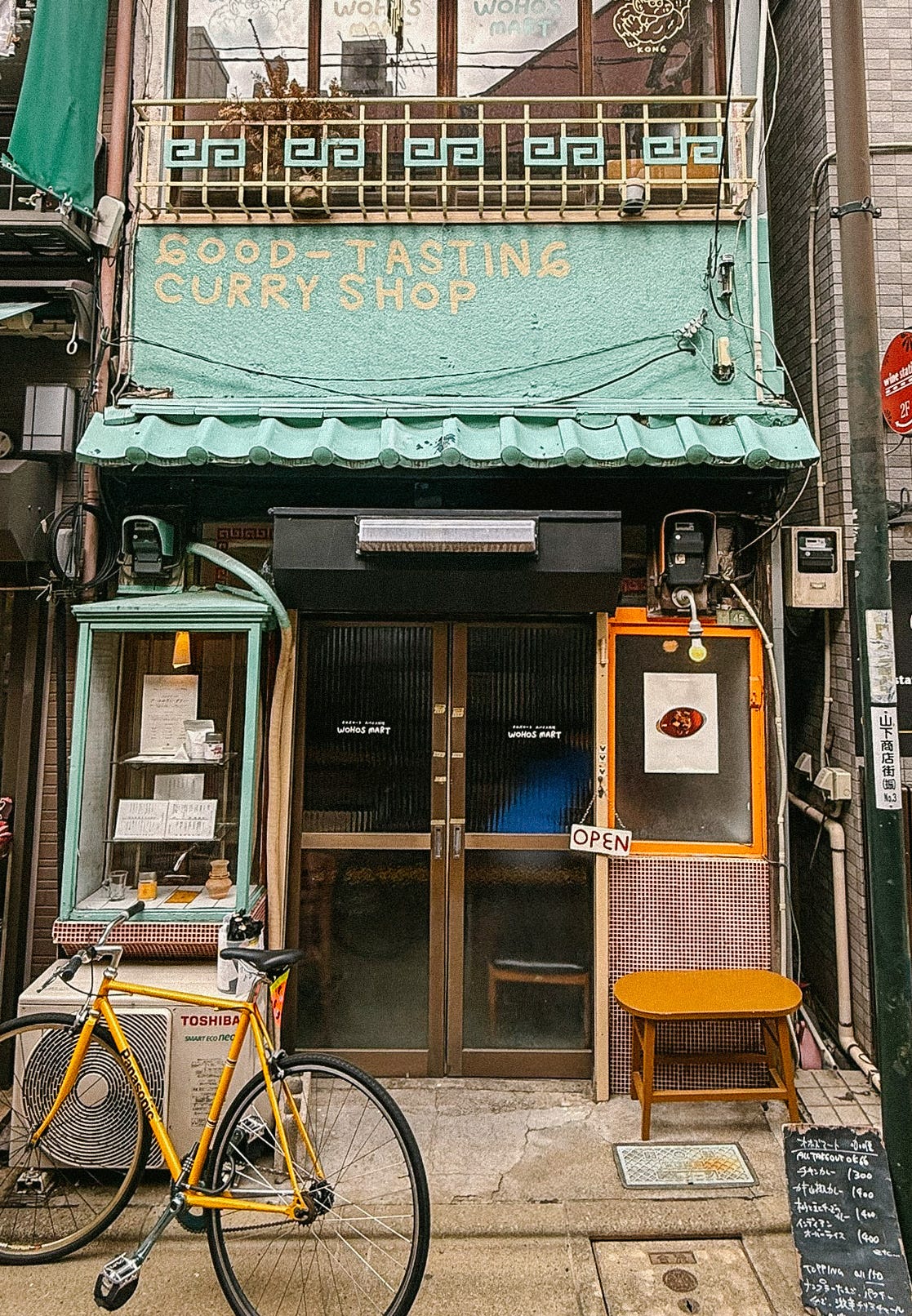
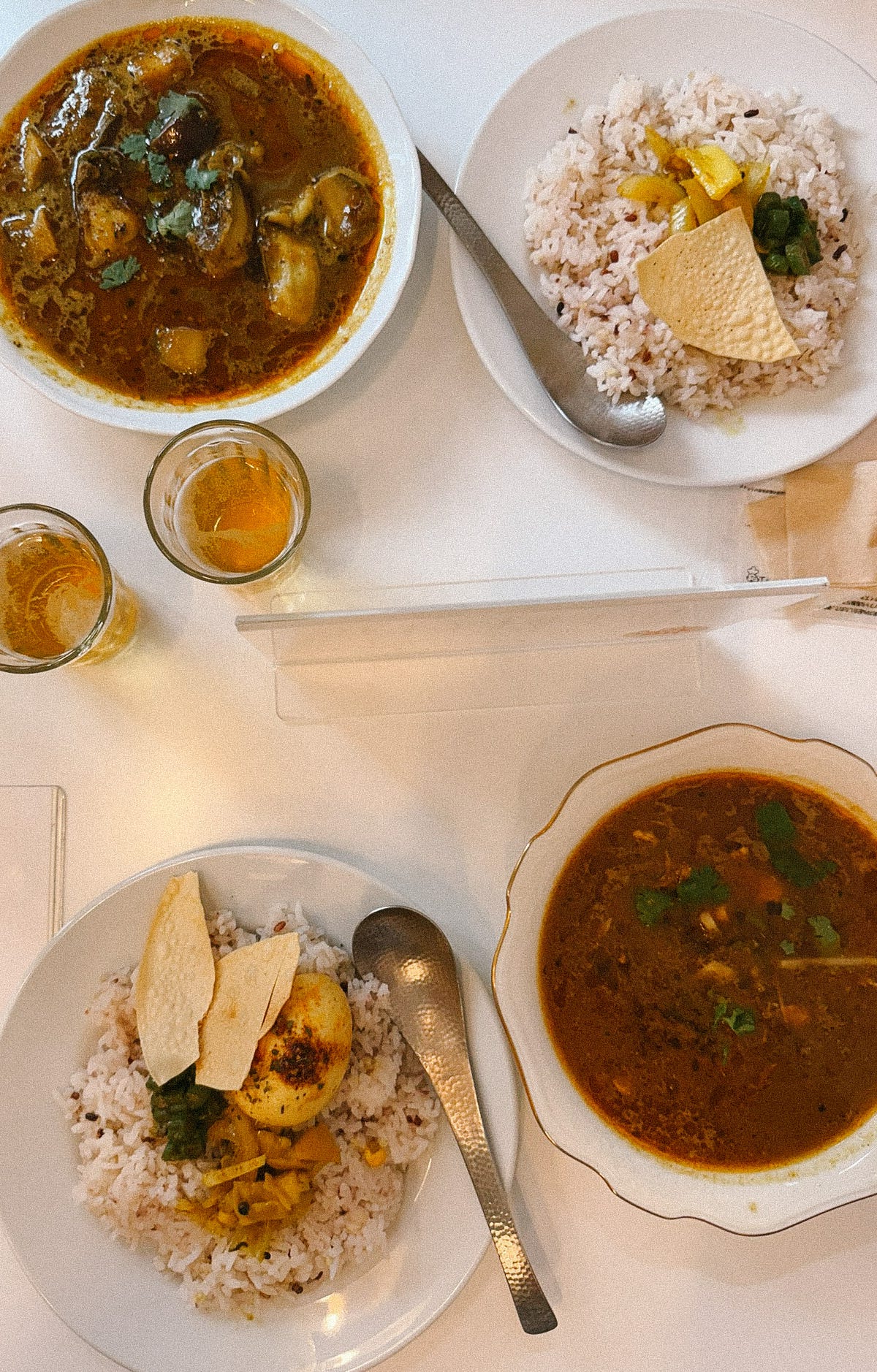
WOHOS MART wasn’t in the plan. We found it on Google while hungry and tired, looking for somewhere close to the metro. Six seats, wood tables and metal chairs, a small menu with three types of curry and a few side dishes. The kind of place that has no reason to be remarkable and somehow is. I had the chicken curry, Daniel had the oyster curry. Both were extraordinary. We paired it with beer and ended up staying longer than planned, trying to have a conversation with the chef, who spoke almost no English and didn’t care at all; he was too busy being excited that we were there. Before we left, we bought a few packages of his homemade spice blends. They ended up as gifts for family in Canada. The chef didn’t know that part, but I think he would have been pleased.
Combine with Gōtokuji Temple nearby. And buy the spices before you leave.
THINK OF THINGS
Café + design shop · Sendagaya, Shibuya
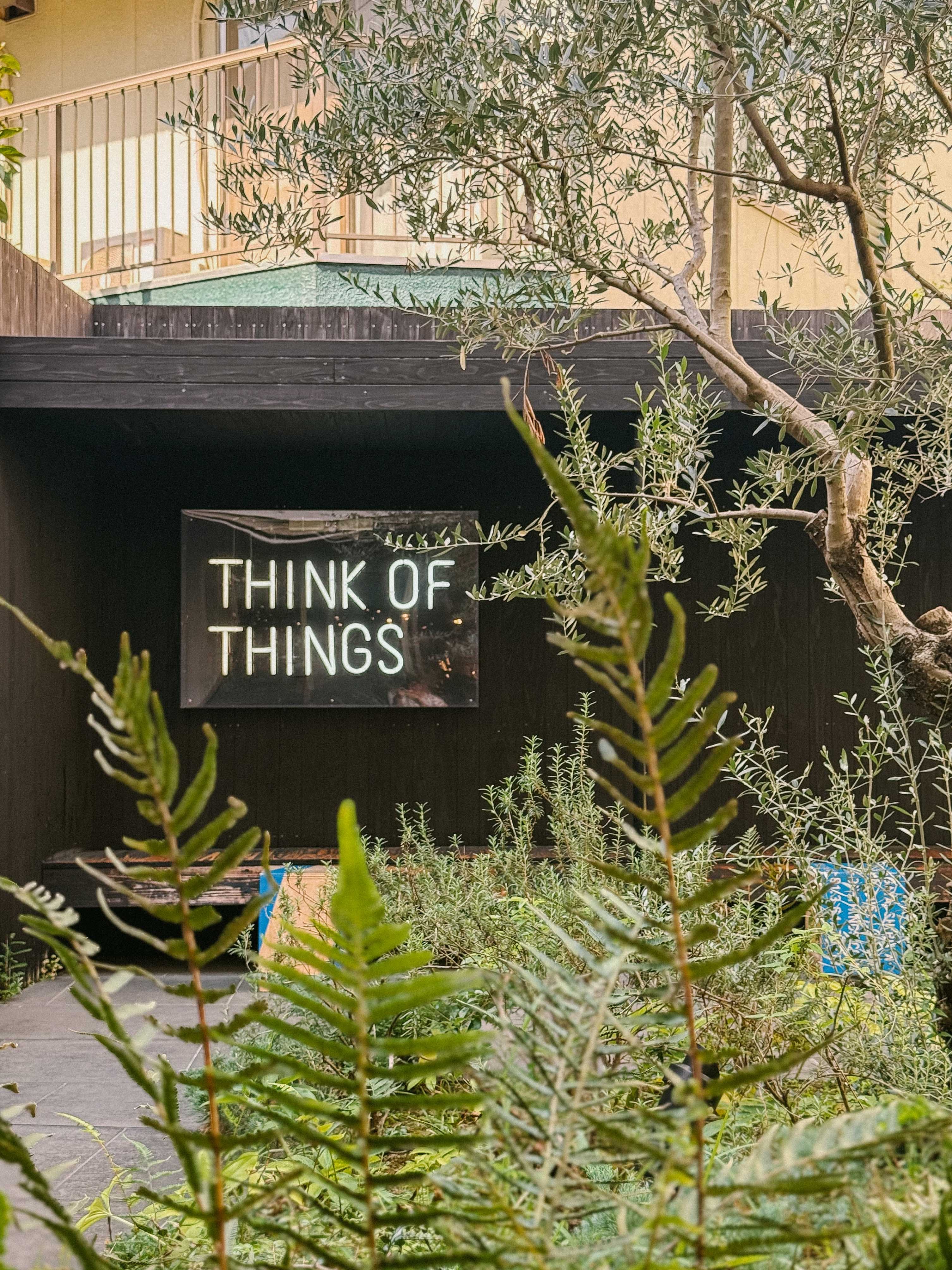
Think of Things doesn’t announce itself. You walk in and the space opens up: clean lines, products arranged like a small exhibition, the coffee bar sitting right in the middle of it all as if to say: this is the point. While they prepare your pour-over — and they will take their time, because that’s the whole philosophy — you browse. I left with coffee beans roasted in-house before I even sat down. We took our drinks to the backyard, a calm green pocket that feels completely disconnected from the city outside. The donut balls arrived warm. We didn’t rush. Tokyo can wait.
You’ll find it in Sendagaya, a quiet neighbourhood most visitors walk straight past on their way to Harajuku. That’s exactly why it works.
It's both a café and a design shop. Go for the coffee, leave with something for your desk.
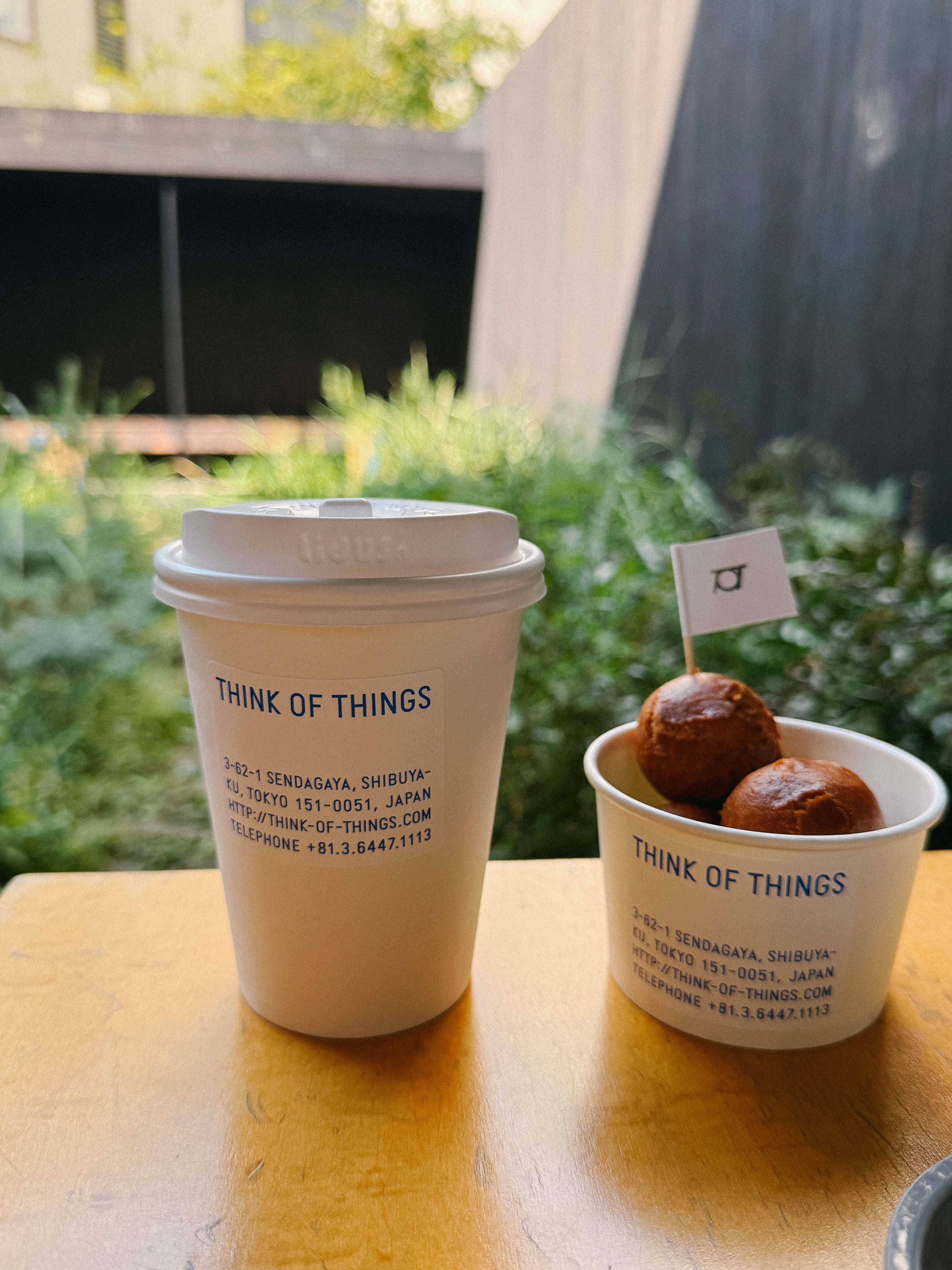
A small thing I noticed: in each of these places, someone was doing exactly one thing. The chef at Kidoguchi had one task at the counter. The WOHOS MART chef cooked three curries and nothing else. The barista at Think of Things made coffee and meant it. Tokyo is enormous and full of everything, and somehow the parts that stay with you are built by people who narrowed down to one thing and decided that was enough.
See you in two weeks.
Ismael
Next issue: more Tokyo, or somewhere else entirely. If you've been somewhere lately and want to know if I have a list, reply and ask.